OUR FOOD, OUR CULTURE
The History Behind Our Dishes
Discover the traditions and cultural stories behind some
of Mozambique's favourite dishes.
1. Tihove
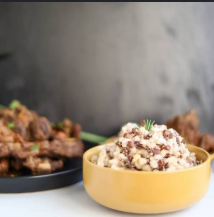
Tihove is a traditional Mozambican dish associated with
the country's food culture, particularly in the southern
regions. It is commonly prepared using ingredients such
as maize, beans or other locally available foods, depending
on the family and region. Recipes can vary between
households, showing how traditional cooking changes
according to local ingredients and personal preferences.
2. Mucapata
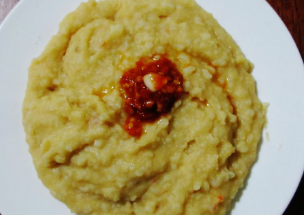
Mucapata is a traditional dish especially associated with
Zambézia Province in central Mozambique. It is known for
combining rice, split peas and coconut milk. Coconut is
an important ingredient in many coastal Mozambican
recipes, where it adds flavour and richness. Mucapata
reflects the region's culinary traditions and the use
of locally available ingredients.
3. Xiguinha de Mandioca
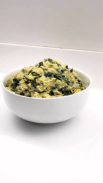
Xiguinha de mandioca is a traditional Mozambican dish
made with cassava and commonly prepared with ingredients
such as coconut milk and ground peanuts. Cassava has long
been an important food crop in many parts of Mozambique
because its roots can provide a filling source of energy.
The dish demonstrates how everyday crops are transformed
into meals that are part of local food traditions.

4. Nhangana
Nhangana refers to leafy greens used in traditional
Mozambican cooking. Leafy vegetables are an important
part of many home-cooked meals and are often prepared
with ground peanuts, onion or other locally available
ingredients. The exact preparation can differ by region
and family. Dishes made with greens demonstrate the
importance of vegetables and local produce in everyday
Mozambican food culture.
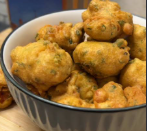
5. Badjias
Badjias are savoury fritters made from legumes, commonly
cowpeas or black-eyed peas. They are enjoyed as snacks
and street food in Mozambique. Similar fritters are
found in other parts of the Indian Ocean region, reflecting
the movement of people, ingredients and cooking traditions
through trade and migration. In Mozambique, badjias are
often sold by street vendors and enjoyed freshly fried.

6. Doce de Coco
Doce de coco is a sweet made with coconut and sugar.
Coconut is widely used in Mozambican cooking, particularly
in coastal areas where it is readily available. Coconut
sweets are enjoyed as treats and may be prepared for
family gatherings or sold in local markets. Recipes vary
in texture and sweetness, but they show how a familiar
local ingredient can be used to create a simple dessert.